Bush Hill Park furniture removals best routes
Posted on 18/06/2026
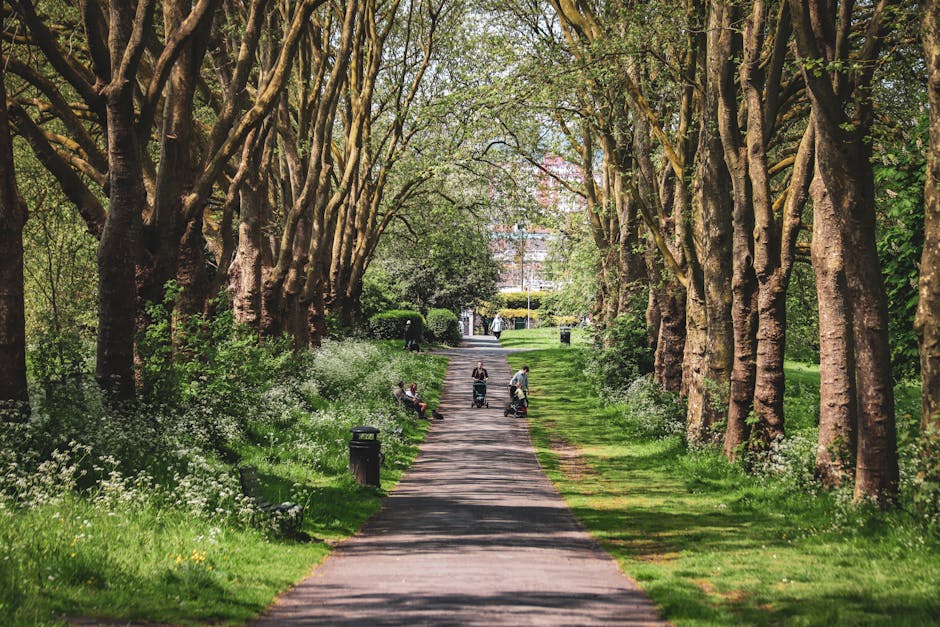
![A park scene with a gravel pathway splitting into two directions, surrounded by lush trees and dense foliage. In the middle ground, a white directional signpost stands at the fork of the paths. To the right, a small group of people is visible, standing on the pathway near a large, mature tree with a thick trunk and expansive branches. The scene is set during daylight hours with natural light illuminating the greenery. The park features benches placed along the pathways, and the ground is covered in grass and moss, adding to the natural environment. The overall setting suggests a peaceful outdoor location suitable for leisure walks or meetings, with the pathways indicating access routes for visitors. [COMPANY_NAME], a house removals service, could use this as an analogy for setting a clear route or plan during a home relocation or furniture transport process, emphasizing careful navigation and planning in moving logistics.](/pub/blogphoto/bush-hill-park-furniture-removals-best-routes1.jpg)
Bush Hill Park furniture removals best routes: the practical guide for a smoother move
If you are planning a move in or around Bush Hill Park, route choice matters more than most people realise. The right roads can save time, reduce stress, protect your furniture, and make the whole day feel less chaotic. The wrong ones? Well, let's just say a calm move can turn into a stop-start crawl with a sofa wobbling in the back and everyone checking the clock.
This guide to Bush Hill Park furniture removals best routes explains how moving vehicles are usually planned, which local factors affect journey choice, and how to avoid the small mistakes that create big delays. Whether you are shifting a few rooms, clearing a flat, or handling a full house move, you will get clear, practical advice you can actually use.
It also helps you think beyond the shortest route. In removals, "best" often means safest, most predictable, and easiest to load and unload. That distinction matters a lot when you have narrow streets, parking pressure, time windows, or heavy furniture on board.
- Why route planning matters in Bush Hill Park
- How removal routing is worked out
- Key benefits of better route choices
- Who this is for
- Step-by-step route planning guidance
- Expert tips that make moving day easier
- Common mistakes to avoid
- Tools and practical resources
- Compliance, safety, and best practice
- Route and move option comparison
- Real-world example
- Moving-day checklist
- Final thoughts
- Frequently asked questions
Why Bush Hill Park furniture removals best routes Matters
Route planning sounds simple until you are the one navigating a loaded van through a busy part of North London. In Bush Hill Park, the best route is rarely just the shortest route. You need to think about road width, parked cars, school runs, turning space, and how easy it is to get close to the property without creating extra lifting.
For furniture removals, a few extra minutes on the road can be worth it if the route avoids awkward turns or stretches of road where parking is limited. Fewer unexpected stops means less strain on the crew, less movement inside the vehicle, and less chance of damage to fragile items. That is the real reason route choice matters.
It also affects timing. If you have a lift booking, a handover deadline, or access only for a short slot, a bad route can throw the whole schedule off. And nobody wants to be standing on the pavement in moving gloves while the clock quietly gets the better of everyone.
Route choice matters even more if you are moving large wardrobes, bulky sofas, or delicate items that need steady handling. If you are moving a piano or another specialist item, the value of a clean, predictable journey becomes even more obvious. In those cases, local planning and specialist handling go hand in hand, which is why many people look into piano removals for heavier specialist items alongside general furniture transport.
How Bush Hill Park furniture removals best routes Works
The basic process is straightforward: assess the pick-up point, the delivery address, the vehicle size, the time of day, and the type of furniture being moved. Then choose a route that fits the practical realities of the job, not just the map.
In Bush Hill Park, removals teams often balance three things at once:
- Travel efficiency - keeping the journey reasonably direct.
- Access quality - finding roads that are manageable for a van and easy to load from.
- Timing reliability - avoiding predictable pinch points such as school traffic or commuter pressure.
That means a route may shift depending on whether the move is happening early in the morning, midweek, or later in the day. A route that looks fine at 11 a.m. can feel very different at 8:30 a.m. when local roads are busier and parking becomes more difficult. Truth be told, that is where local experience really pays off.
Route planning also depends on the type of service you book. A small van for a single flat move will be handled differently from a full-size removal vehicle for a family house move. If you are comparing service styles, it can help to review the wider options first through the services overview, especially if you are not sure whether you need a simple man and van setup or something more comprehensive.
Key Benefits and Practical Advantages
Choosing the best route for Bush Hill Park furniture removals delivers benefits that are both obvious and quietly important. Some are about speed, but a lot are about protecting your belongings and reducing hassle.
- Less handling stress - if the vehicle can park closer to the property, furniture spends less time being carried through tight spaces.
- Lower damage risk - smoother roads and fewer awkward detours reduce unnecessary movement in the van.
- Better timekeeping - the crew can plan loading and unloading with more confidence.
- Improved safety - fewer rushed manoeuvres means less chance of avoidable accidents.
- Cleaner customer experience - the move feels organised, which is exactly what most people want on an already busy day.
There is also a cost angle. Better routing can reduce wasted travel time, which can be especially useful for hourly jobs or same-day work. If your move is urgent, the savings often come from avoiding chaos rather than shaving off a few exact miles. For short-notice jobs, it can be worth looking at same-day removals options so the route and schedule are planned together rather than patched together at the last minute.
Another advantage is confidence. When you know the route has been thought through properly, the move feels more controlled. That sounds small, but on moving day, calm is gold.
Who This Is For and When It Makes Sense
This topic matters to a lot of different people, not just homeowners with a full house to clear. If you recognise any of the situations below, careful route planning will probably help.
- Home movers who need a reliable journey for furniture, boxes, and appliances.
- Flat movers dealing with tight entrances, stairwells, and parking pressure.
- Students moving smaller loads but often working to a tight timetable.
- Families juggling school hours, pets, and multiple trips.
- Office movers who need predictable access and minimal disruption.
- People using storage and moving items in stages rather than all at once.
If you are in a flat or an upper-floor property, the route to the building entrance matters almost as much as the route across London. It is one thing to get the van to the postcode; it is another to get it legally and safely close enough to unload without blocking anyone. For compact moves, some readers also compare this with flat removals support or a more flexible man and van service.
Sometimes the move is not even about moving straight into a new place. You might be clearing a room for renovation, relocating furniture into storage, or handling a temporary shift before completion day. In those situations, route simplicity and vehicle access can matter more than anything else.
Step-by-Step Guidance
Here is a practical way to think about route planning for a furniture move in Bush Hill Park. Nothing fancy. Just a sensible sequence that keeps surprises down.
- Confirm both addresses carefully. Check the exact pickup point and the delivery destination, including flat number, entrance access, and any restrictions.
- Map the loading conditions. Ask where the van can stop, whether there is a driveway, a forecourt, or only roadside space.
- Think about the furniture. Large wardrobes, beds, sofas, and mirrored items all affect how much room and time you need.
- Choose a route that matches the vehicle. Bigger removal vans may need different roads from small vans, especially where turning space is limited.
- Avoid known pinch points where possible. School traffic, commuter periods, and narrow residential roads can quickly add friction.
- Build in a small buffer. A little extra time is not wasted time; it is breathing room.
- Confirm arrival instructions. If the driver needs to call on arrival, park in a certain place, or use a side entrance, make that clear early.
If you are collecting boxes or wrapping materials as part of the move, plan for that too. A route with easy access to your current place but awkward unloading at the new one is not really a win. It is better to make the whole chain simple, including packing and staging. The packing and boxes guidance can help if you want a more organised start.
And yes, sometimes the most "efficient" route is the one that lets the crew park close enough to save two trips through a narrow hallway. Small win, big difference.
Expert Tips for Better Results
A few experienced habits can improve a move more than people expect. These are the sorts of things that often separate a smooth job from a slightly messy one.
- Schedule earlier where practical. Early windows often mean lighter traffic and easier loading access.
- Keep the van size realistic. A vehicle that is too large can create more route friction than it solves.
- Label delicate or awkward items. That way, handling can be planned before the van even arrives.
- Keep hallways clear before arrival. The route into the home matters just as much as the road route.
- Use one point of contact. Too many phone calls on moving day can create confusion. One organiser, ideally.
Another useful tip: if the destination has limited parking or access restrictions, do a short recon in advance if you can. A quick look at the street can answer questions that maps cannot. Is there space to pause? Can a larger van turn without awkward reversing? Will another parked car block the angle? These small observations can save a lot of stress later.
For heavier or more fragile furniture, ask about protection and handling methods before the job starts. Good movers should be clear about straps, blankets, trolleys, and safe lifting. If you are looking closely at provider standards, it may also help to compare the wider range of removal services available rather than only looking at price.
Common Mistakes to Avoid
Most moving delays are not dramatic. They are little avoidable things that pile up. A route looked fine on a phone, the parking space was smaller than expected, the van was too big for a side road, and suddenly the whole day feels off.
Here are the mistakes that show up again and again:
- Ignoring access at both ends - it is not enough to think only about the destination.
- Assuming the shortest route is best - shorter does not always mean easier.
- Forgetting time-of-day effects - the same road can behave very differently an hour later.
- Not measuring large items - a sofa that fits through one doorway may still create issues in the van.
- Leaving parking decisions until the last minute - that is when stress grows teeth.
- Overfilling the schedule - if the move is packed too tightly, a small delay becomes a big one.
It also helps not to underestimate stairs, corners, or the odd narrow entrance. I have seen a "simple" move turn into a puzzle because one wardrobe was just a bit bulkier than expected. Nothing tragic. Just annoying in that particular moving-day way.
If you want a more reliable start, read through the company's practical guidance on furniture removals in Enfield Wash and compare it with the type of move you are actually doing. Matching service to job is half the battle.
Tools, Resources and Recommendations
You do not need a stack of specialist tools to plan a decent removal route, but a few basics help a lot.
- Route planning apps or maps for checking road options and traffic patterns before the day.
- Simple measurements for large furniture, doorways, lifts, and stairwells.
- Box labels so the most important items come off first.
- Furniture blankets and straps to keep items stable on longer journeys.
- Parking notes written down clearly for the driver and helpers.
In practice, the best resource is often local experience. Drivers and movers who know the area tend to understand where access is tricky, where roads narrow unexpectedly, and where timing matters most. That knowledge is hard to fake. It just is.
If you are still deciding what sort of support you need, it may help to review the broader company information on removal companies in Enfield Wash, or if your move is small and flexible, the focused man with a van option may be enough.
For people moving into temporary storage, route planning should also factor in the sequence of stops. One stop for collection, one for storage, and later another for delivery means the day needs a bit more structure than a single direct drop. If that sounds like your situation, the storage options are worth considering alongside the move itself.
Law, Compliance, Standards, or Best Practice
Route planning for removals is not usually about legal complexity, but it does sit alongside a few important UK expectations around road safety, vehicle loading, and responsible moving practice. You do not need to become a transport expert, thankfully, but some common-sense standards matter.
For example, vehicles must be loaded safely so items do not shift during transit. That is basic good practice, but it also protects everyone on the road. Drivers should take care with secure loading, safe parking, and sensible manoeuvring, especially on residential streets where children, pedestrians, and parked cars may be close by.
It is also sensible to think about access rules at both properties. Some streets or estates may have parking limitations, time restrictions, or narrow access routes that require a more careful approach. A good mover will usually ask about this early rather than discovering it at the curb.
If you are comparing providers, look for clear information about safety standards, handling procedures, and customer responsibilities. The company's health and safety policy and insurance and safety information can be useful reference points when you are judging how seriously a mover treats the job.
And yes, there is a bit of judgement involved. A route that saves five minutes but forces unsafe parking is not the "best" route. Best practice should always win over false efficiency.
Options, Methods, or Comparison Table
Different moves call for different route strategies. Here is a simple comparison to help you think it through.
| Route / move style | Best for | Main advantage | Possible drawback |
|---|---|---|---|
| Direct shortest route | Light loads, off-peak travel | Usually quickest on paper | May ignore access or parking issues |
| Access-first route | Bulky furniture, tight streets | Easier loading and unloading | May add a little travel time |
| Timing-led route | Busy weekday moves | Helps avoid predictable traffic pressure | Requires better scheduling |
| Multi-stop route | Storage moves or staged relocations | Flexible for complex moves | Needs strong coordination |
For many Bush Hill Park furniture moves, the access-first route is the one that quietly performs best. It may not look glamorous on a map, but it makes the physical job simpler. And that is the point.
If your situation is a little more flexible, a man and van approach can work well for smaller loads, while larger house moves may suit a more structured house removals service. The route should match the service, not the other way round.
Case Study or Real-World Example
Picture a typical Saturday move in Bush Hill Park. A family is moving from a first-floor flat to a house not too far away. On the map, the direct route looks quick. In reality, one street near the old address has limited stopping space and a tight corner where larger vans need to take it slowly.
Instead of forcing the shortest route, the mover chooses a slightly wider road with better pull-in space. That gives the loading team a better position, keeps the van clear of parked vehicles, and avoids the hassle of double-parking. The drive takes a bit longer. Not much. But the loading and unloading end up being smoother, and the family is not standing around waiting for the next move to happen.
That is the pattern you see again and again: a slightly smarter route reduces the whole day's friction. The traffic is not the only issue. Access is often the bigger one.
In another common scenario, someone moving a few rooms and storing excess furniture first chooses a route that keeps the van close to the property and then to storage in one clean sequence. It sounds basic, but it stops the job from feeling like a chain of half-finished tasks. If you are at that stage, a combination of storage support and a flexible vehicle setup can make a surprising difference.
Practical Checklist
Use this checklist before moving day. It is simple, but genuinely useful.
- Confirm the exact pickup and delivery addresses.
- Check whether the van can stop close to both entrances.
- Measure the largest furniture pieces.
- Note any stairs, lifts, tight turns, or awkward corners.
- Choose a time window that avoids obvious local pressure where possible.
- Tell the mover about fragile, heavy, or unusually shaped items.
- Keep boxes labelled clearly.
- Prepare a clear path inside the property.
- Set aside keys, access codes, or contact details.
- Ask about insurance, safety, and loading methods if anything feels unclear.
A small amount of planning goes a long way. Honestly, it is one of those jobs where five minutes of prep can save fifty minutes of hassle.
Get a free quote today and see how much you can save.
Conclusion
Choosing the Bush Hill Park furniture removals best routes is about much more than moving a van from A to B. It is about reducing risk, saving time, and making sure the physical side of the move feels manageable rather than frantic. The right route supports the whole job: loading, parking, handling, timing, and delivery.
If you remember only one thing, let it be this: the best route is the one that makes the move easier in real life, not the one that looks clever on a screen. That usually means balancing distance, access, traffic, and the type of furniture you are moving.
Plan carefully, keep your expectations realistic, and leave a little breathing room in the schedule. Moving day rarely rewards rushing. A calm approach does. And that is often the difference between a stressful day and one that feels surprisingly under control.
![A park scene with a gravel pathway splitting into two directions, surrounded by lush trees and dense foliage. In the middle ground, a white directional signpost stands at the fork of the paths. To the right, a small group of people is visible, standing on the pathway near a large, mature tree with a thick trunk and expansive branches. The scene is set during daylight hours with natural light illuminating the greenery. The park features benches placed along the pathways, and the ground is covered in grass and moss, adding to the natural environment. The overall setting suggests a peaceful outdoor location suitable for leisure walks or meetings, with the pathways indicating access routes for visitors. [COMPANY_NAME], a house removals service, could use this as an analogy for setting a clear route or plan during a home relocation or furniture transport process, emphasizing careful navigation and planning in moving logistics.](/pub/blogphoto/bush-hill-park-furniture-removals-best-routes3.jpg)