Man With Van in Enfield Wash

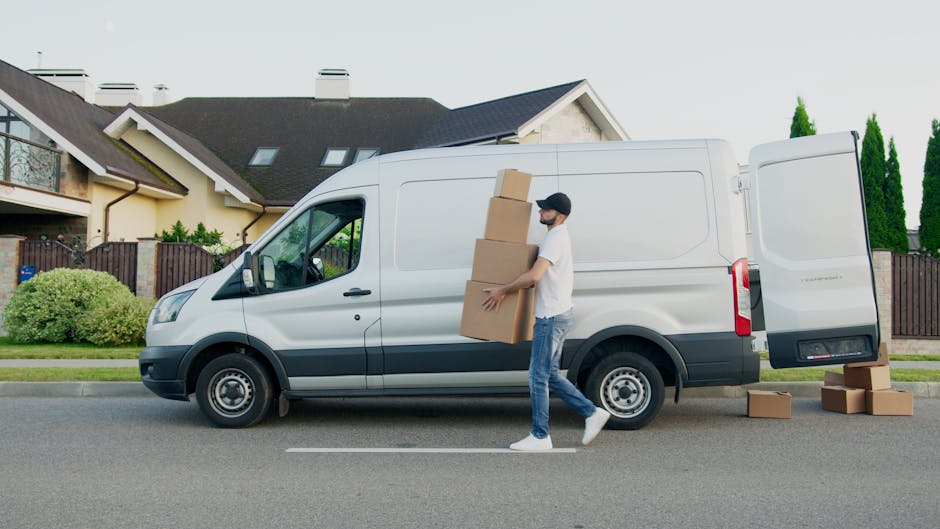
Man With Van Enfield Wash provides a practical removals service for households and businesses that need straightforward transport, careful loading and sensible planning. The core work is simple to explain but often varied in practice: one booking may involve a single bulky item, while another calls for a fuller property move with packing support and coordinated delivery. Our service is built around safe handling, clear communication and efficient van transport, so customers can organise a move without adding unnecessary complexity.
We support local moves, part-load transport and furniture collection, with options that suit different volumes and access conditions. If you are comparing man and van removals with fuller house removals, the useful difference often comes down to how much needs moving, how many people are needed for lifting, and whether the job needs extra organisation around stairs, parking or timing. For larger home moves, our home moves service brings the work together in one place, from loading to delivery.
Tell us what needs moving, where it needs to go and whether there are any access details that matter. If you already know the main items, a short written list is usually enough to start the conversation. For a broader move, you can also ask about packing help, heavy-item handling and sensible route planning before you decide how to proceed. For a quotation, contact us when you are ready.
Residential moving support

Home moves can range from a few boxes and furniture pieces to the contents of an entire flat or house. We organise the move around the practical details that matter: item size, number of floors, parking arrangements, and whether the load needs dismantling or careful wrapping before it leaves the property. That keeps the process realistic and helps avoid last-minute surprises on the day.
If you want a more complete moving plan, our house movers and man with a van pages describe the sort of support that can be combined for domestic transport. We can also work alongside your own packing if you only need the van and loading assistance, or build the booking around a more hands-on move where the lifting and positioning need extra attention. The right option depends on what is being moved and how much help is useful.
Useful things to think about before you book: which items are fragile, whether anything will need to be dismantled, how many people will be on site, and whether the property has narrow access or limited parking. These practical details help the quotation reflect the real work. If you are still deciding between options, keep the scope simple at first and then refine it once the move list is clear.
Furniture collection and single-item transport

Not every job is a full move. Some customers only need a sofa, wardrobe, appliance or other bulky item collected and delivered with care. Our furniture pick-up service is designed for exactly that kind of work, where the main requirement is safe loading, secure transport and sensible handling in and out of the property. It suits purchases from private sellers, retail collections and furniture that simply needs moving across town.
Single-item transport can still involve a fair amount of coordination. We consider weight, dimensions, access points and whether any item should travel upright or be protected during transit. If a large item has to pass through tight hallways, it may need more than one person and a little extra planning. Where the move includes mixed items, we can treat it as a small-part removal rather than a separate delivery, which often keeps the work more organised.
For customers choosing between a light collection and a broader removal, the deciding factor is usually the mix of items. A few pieces of furniture may fit neatly into a straightforward visit, while a combined load of boxes, furniture and personal belongings is better approached as a fuller moving job. That distinction helps us shape the transport method properly rather than forcing every booking into the same template.
Packing, loading and careful handling
Packing support can make a move much easier, especially where fragile items, awkward shapes or time pressure are involved. Our packing and unpacking services page covers the practical side of protecting belongings, organising cartons and preparing items for transit. Good packing is not just about speed; it helps keep the van load stable and reduces the chance of damage when items have to be carried through tight spaces or stacked carefully.
We can support customers who want us to handle the lifting, wrap selected items, or work from boxes already prepared in advance. Correct preparation matters because a neatly packed load is easier to secure, easier to unload and less likely to shift while travelling. If you are moving breakables, electronics or mixed household items, it is worth separating the delicate pieces from the heavier furniture so the booking can be planned around the real workload.
For moves with several stages, a little structure goes a long way. Label boxes by room, keep essentials together and make sure anything required immediately at the destination is easy to reach. If you prefer to manage packing yourself, that is fine; if not, it can be added as part of the job. Either way, the aim is the same: keep the removal tidy, sensible and manageable from start to finish.
Commercial and office transport
Businesses often need removals support for office furniture, archive boxes, stock, small equipment or fittings that must be moved without disrupting the working day more than necessary. Our commercial moves and office removals pages reflect the kind of work involved when desks, chairs, cabinets and boxed materials need to be transported between premises or into storage. The focus is on controlled loading, careful sequencing and keeping items identifiable.
Office moves usually benefit from a simple order of operations. Start with the most essential equipment, identify anything that should travel separately, and decide whether the move is going directly to a new site or splitting between destinations. Where desks or storage units need dismantling, that should be noted early so the work can be planned around the tools, time and handling required. This sort of detail helps make the move more predictable.
The same practical approach suits small commercial clear-outs and replacement deliveries. If the job involves crates, office furniture or equipment that must stay upright, we can adapt the load space and handling method accordingly. Businesses often want a transport option that is flexible but not overcomplicated, and a van-based removal can be a good fit when the volume is manageable and the route is straightforward.
How the booking is planned

A clear booking begins with the essentials: what is being moved, how much there is, where it is leaving from and where it is going. That information is enough to shape a sensible quotation and decide what kind of support is suitable. If you have photographs or a rough inventory, they can help, but a written description is often enough to begin. The more accurate the item list, the easier it is to organise the work properly.
It is also helpful to mention access points, parking, floor levels and any heavy pieces that may need additional handling. For example, a move from a ground-floor property is very different from one involving several flights of stairs or a narrow entrance. These details are not there to complicate the process; they simply allow the quotation to reflect the work fairly and help the day run more smoothly. Good planning saves time and effort.
If your move is still evolving, you can keep the first conversation broad and then refine the details later. Many customers start with a single van load and add items once they have finished sorting the property. That is perfectly workable, provided the final list is checked before the job goes ahead. When you are ready to discuss the scope, a clear message is usually the most efficient starting point.
Pricing factors and quote preparation
Removal prices usually depend on a small set of practical factors rather than one fixed rule. The number of items, distance travelled, time on site, access difficulty and any extra loading support all influence the final figure. Jobs that look similar at first can vary quite a bit once stairs, parking limits or dismantling are taken into account. That is why a proper quotation is usually based on the actual work involved, not just the name of the service.
Our pricing and quotes page is useful if you want to think through how a removal is normally assessed. It is often sensible to include the fullest accurate picture you can: approximate item count, any oversized furniture, and whether the move includes collection, delivery or both. If anything is uncertain, say so. A careful estimate is more useful than a rushed one, especially where access or item size may change the load.
For customers who are comparing service types, the question is often whether a lighter transport job or a more complete removal is the better fit. A small job may only need a short van visit, while a larger domestic or commercial move may need more preparation and more time on site. Either way, the most reliable way to proceed is to describe the job plainly and let the quotation follow from that description.
Safety, lifting and responsible transport
Safe removals depend on sensible lifting, stable loading and an awareness of what each item needs during transit. Heavy furniture, large mirrors, appliances and boxed goods all behave differently when being carried and stacked. Our insurance and safety information sets out the importance of handling items in a controlled way, while our day-to-day approach focuses on loading the van so that the contents are secure and easier to unload in the right order.
Some items are straightforward, while others need a slower approach. Flat-pack furniture can be easier to move once separated, but awkward shapes, glass surfaces and delicate finishes may need padding or positioning away from pressure points. If an item is especially valuable or fragile, it is sensible to mention it before the move so the handling method can be chosen with care. That attention to detail helps reduce avoidable issues.
We also recognise that responsible transport is partly about the route, the vehicle and the order in which items are loaded. Putting heavier pieces in first and keeping lighter cartons accessible makes the delivery more manageable. It also means the destination can be unloaded in a more controlled sequence, which matters when rooms need to be set up in a particular order or certain items must be reached quickly.
About Enfield Wash

Enfield Wash is an area in the London Borough of Enfield, in north London, situated between Enfield Highway, Freezywater and the broader Lea Valley corridor. The name is historically linked to a former watercourse or marshy ground, and the locality has long sat within a landscape shaped by the River Lee and the channels, drainage works and transport routes that developed around it. Over time, the area became more closely associated with suburban growth and roadside development than with open countryside, though traces of older land use remain in the wider borough. Its setting places it within a part of north London where residential streets, commercial frontages and green open spaces sit relatively close together. Nearby areas such as Turkey Street, Waltham Cross and Brimsdown add to the sense that Enfield Wash is part of a wider and well-connected urban edge rather than an isolated district. The local street pattern reflects phases of growth, with housing interwoven with small business premises, community facilities and roads that link out towards neighbouring parts of Enfield and Hertfordshire. As with much of this part of London, the area’s identity is tied to movement: goods, people and services have long passed through it, and that transport-oriented character remains visible in the road network and the everyday geography of the place.
Flexible support for different move sizes
Some bookings are best handled as a simple van run, while others need a more structured removal plan. Our removal services page represents the wider range of work that can sit behind a move, from loading and transport to organised delivery of mixed household goods. The main point is flexibility: you choose the level of support that matches the amount of work, rather than paying for a level of service that is not needed.
Where the booking involves a medium-sized load, we can combine furniture, boxed belongings and a few awkward items into one practical visit. Where the job is smaller, it may be better to keep things simple and focus on the items that genuinely need vehicle transport. Our approach is to keep the move efficient without turning every job into a full-scale operation. That keeps the service adaptable for different budgets and timelines.
If you are weighing up whether a van-only arrangement is enough, consider how many trips would be needed if you did the move yourself. A single run with proper loading support can save effort and reduce the chance of damage from repeated lifting. If you are ready to compare the options, the next step is straightforward: request a quotation and work from an accurate list of what needs moving.
What to expect on moving day
On the day of the move, the priority is to keep the loading orderly and the schedule realistic. Items are usually moved in a sequence that reflects size, weight and the order in which they will be needed at the destination. That might mean heavy pieces first, fragile items protected separately, and smaller boxes placed where they can be reached easily. A calm, structured approach generally produces the best result.
If there are items to collect from storage, a retailer or a separate address, it is best to keep those details clear so the route can be planned properly. One accurate booking note is better than several vague instructions. If access changes, let us know before the job begins. When the move is straightforward, the visit stays efficient; when the details are shared in advance, any likely delays can often be avoided.
The service works well for people who want practical help without unnecessary complexity. Whether the task is a modest furniture run or a more complete domestic move, the aim is to deliver a clear, usable transport service that respects the load and the destination. If you want to discuss the move in plain terms, we are ready when you are.
Further help and related services
There are times when a move benefits from a slightly wider set of services. If packing needs to be separated from transport, or if the booking has a mix of collection, moving and unloading tasks, it can help to view the job as a coordinated set of stages rather than a single lift. Our man and van removals and removal company pages sit alongside this service for customers who want a broader overview of the options available.
Other useful pages may help if your move has a more specific focus. Moving van and removal van pages are relevant where the vehicle requirement is the main question, while removals and movers provide a wider view of the service family. If you are comparing approaches, use the page that best matches the sort of help you need rather than trying to fit the move into a generic template.
When you are ready to move forward, keep the enquiry concise and factual. Describe the load, the addresses involved and anything unusual about access. Then ask for a quotation and allow the details to follow from there. For a simple first step, contact us to discuss your move and arrange the next stage.