Ponders End man with van insider tips
Posted on 01/07/2026
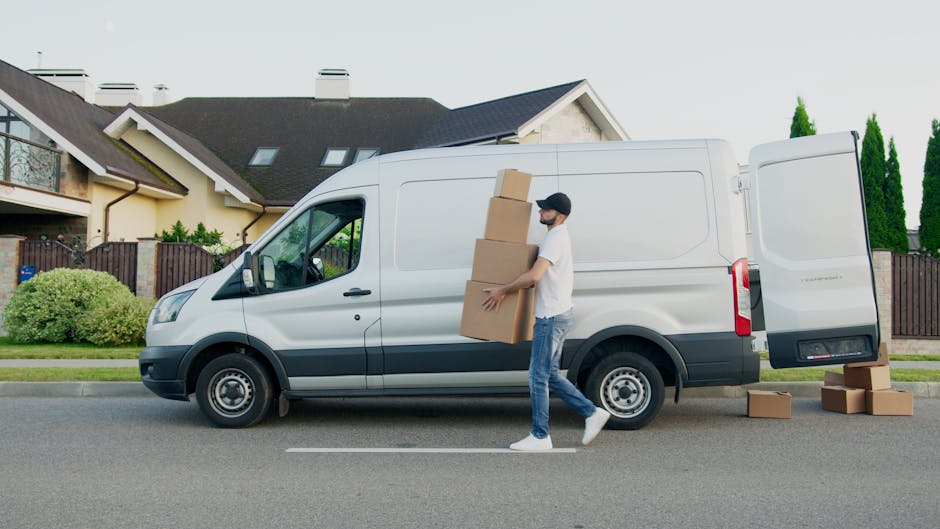
Ponders End man with van insider tips: how to move smarter, safer, and without the usual stress
If you are planning a small move, a furniture pickup, or a same-day delivery in north London, Ponders End man with van insider tips can save you time, money, and a fair bit of hassle. The service sounds simple on the surface: a driver, a van, and your items moved from A to B. But the difference between a smooth job and a frustrating one often comes down to small decisions made before the keys are even turned in the ignition.
Truth be told, most problems with a man and van job are avoidable. Poor parking, vague timings, underestimating the load, and forgetting about access are the usual culprits. In a place like Ponders End, where local roads, estate layouts, and busy travel times can all affect the day, a little planning goes a long way. This guide breaks down how the service works, what to ask, what to prepare, and how to avoid the common mistakes that catch people out.
Whether you are moving a sofa, clearing a storage unit, or helping a relative shift a few rooms' worth of belongings, you will find practical advice here. Nothing fluffy. Just the sort of insider thinking that helps you get the job done properly.
Why Ponders End man with van insider tips Matters
A man with a van service is often chosen because it sits in the sweet spot between doing everything yourself and hiring a full removal crew. For many people in Ponders End, that balance is exactly the point. You want help, but not overkill. A couple of hours of practical muscle and a vehicle can be enough to handle a one-bed flat, bulky furniture, or a short-notice collection.
But here is the catch: the service is only as good as the preparation behind it. If you underestimate access issues, forget to measure the wardrobe, or assume the driver can just "fit it in somehow", the day becomes awkward fast. And awkward is expensive, in its own quiet way. Delays stack up. Extra labour may be needed. You may even end up booking a second trip. Nobody wants that.
Local knowledge matters too. Ponders End has its own rhythm, with traffic patterns, residential parking pressure, and the usual London unpredictability. A driver who understands how to plan around that can often save the customer a headache or two. It is not magic. Just experience. There's a difference, and you can usually feel it by the way the job starts.
Expert summary: The best man with van jobs are rarely the cheapest-looking ones at first glance. They are the best-prepared ones. Clear details, realistic timing, safe loading, and sensible access planning tend to produce the smoothest outcome.
How Ponders End man with van insider tips Works
At its core, the service is straightforward. You book a van and a driver, explain what needs moving, agree a time, and the load is collected and delivered. Some jobs include one helper. Others are just the driver. The exact setup depends on the size of the task and the provider you choose.
The "insider tips" part is where the value comes in. The better you understand how these jobs are typically priced and run, the easier it is to avoid surprises. Most providers will look at a few key things: volume, weight, collection and delivery addresses, access, distance, waiting time, and whether items need to be carried upstairs or through narrow spaces. That sounds obvious, but people often miss one detail and wonder why the quote shifts later on.
In practice, the process usually follows this pattern:
- You describe the job as clearly as possible.
- The provider gives a quote or estimated rate.
- You confirm timing, access, and any special handling needs.
- On the day, items are loaded securely and transported.
- The delivery is completed, with unloading and placement if agreed.
Simple enough. Yet, the smoother jobs are the ones where both sides know exactly what "simple" actually means. A single armchair is not the same as a flat-pack bed, and a second-floor walk-up is not the same as ground-floor loading. To be fair, it is these little details that make or break the day.
If you are comparing providers, it can help to look beyond the headline price and think about the quality of the overall setup. For example, services that are already familiar with local routes and different moving scenarios can feel easier to deal with than a generic, one-size-fits-all operator. If you need broader moving support, you may also find it useful to look at removals services as part of your planning.
Key Benefits and Practical Advantages
A good man with van service is popular for a reason. It gives you flexibility without the cost or complexity of a larger move. For many smaller jobs, that is exactly what you need and nothing more.
1. Better value for smaller loads
If you are not moving an entire household, paying for a full-scale removal team can feel excessive. A van-based service often makes more sense for single items, partial loads, student moves, marketplace pickups, and office furniture transfers.
2. Faster booking for short-notice jobs
Life happens. A sofa needs collecting today. A landlord wants the flat cleared by tomorrow morning. A seller is only available for a small window. A man with a van can sometimes fit those jobs in faster than a larger logistics setup.
3. More flexible access
Smaller vans can be easier around tight streets, limited parking, and awkward driveways. That can matter a lot in residential parts of north London where large vehicles are not always convenient. Not glamorous, but very practical.
4. Less wasted effort
You are not paying for a huge crew when the job does not need one. You are also not paying for unnecessary truck space. That economy is one of the main reasons people choose this route in the first place.
5. Suitable for a wide range of everyday needs
Furniture collections, eBay pickups, appliance deliveries, garden waste transport, storage runs, and local flat moves all fit the model well. The service is more versatile than people sometimes assume.
One small but important benefit is peace of mind. When the driver knows what they are doing and the customer has given accurate details, the day tends to feel calmer. You will notice it right away. No scrambling, no panic, no last-minute improvising with blankets and hope.
Who This Is For and When It Makes Sense
This kind of service suits people who need practical transport help without a full removals package. If you are unsure whether it is the right fit, ask yourself a few honest questions. Is the load relatively small? Is the move local or at least manageable in one run? Do you mainly need a van, a driver, and maybe an extra pair of hands?
If the answer is yes, this may be the cleanest option. It often makes sense for:
- small flat moves or studio relocations
- student moves with boxes, bags, and a few large items
- Facebook Marketplace, Gumtree, or private sale collections
- single-item transport like wardrobes, beds, or sofas
- office clear-outs and light commercial deliveries
- storage runs where items need shifting in stages
- assisted delivery for people who cannot lift heavy items themselves
It also suits people who want to stay involved. Maybe you want to pack the van yourself, supervise the job, or keep costs tight by handling some of the lifting. That is perfectly normal. Not everyone wants a "leave it all to us" arrangement.
On the other hand, if you are moving a large family home, have fragile antiques, or need full packing support, a more comprehensive removals setup may be better. Choosing the right level of help is not about being fancy. It is about matching the service to the job.
Step-by-Step Guidance
If you want the day to run smoothly, follow a proper sequence rather than leaving everything to chance. Here is the approach that tends to work best in real life.
Step 1: List everything that needs moving
Start with the obvious items, then add the awkward bits you nearly forgot. Lamps, mirrors, under-bed storage, dismantled furniture, plant pots, boxed kitchenware. It all counts. A short list is better than a vague one, because vague is where problems breed.
Step 2: Measure the large items and the access points
This is the part people skip, then regret. Measure tall wardrobes, wide sofas, stair turns, door frames, lifts, and any tight corners. If the item barely fits through your front door, say so. A decent provider would rather know early than discover it while standing in the hallway with a puzzled look.
Step 3: Be honest about floors, parking, and carrying distance
Tell them whether the van can park close to the entrance. Say if there are stairs. Mention whether the flat is above a shop, at the back of a block, or in a restricted parking zone. These details affect time and labour, and they should be part of the quote from the start.
Step 4: Confirm what is included
Does the quote include loading, unloading, and waiting time? Is there help carrying items upstairs? Are protective blankets or straps provided? Ask. It is much easier to clear this up before the job than after the van has arrived.
Step 5: Prepare the items properly
Wrap fragile pieces, tape loose doors, empty drawers if needed, and label boxes by room. If you have disassembled furniture, keep screws in clearly marked bags. A tiny thing, perhaps, but you really do not want to hunt for the right bolt at 10 p.m.
Step 6: Keep the route and timing realistic
Allow for traffic, parking, and the inevitable "just one more thing" moment. London runs on a timetable of its own some days. If you have a narrow delivery window, say so early and build a bit of breathing room into the plan.
Step 7: Inspect the load and the delivery
Before the van leaves, check that everything is on board and that fragile items are positioned sensibly. At delivery, confirm item condition and placement. A calm two-minute check can save a lot of back-and-forth later.
Expert Tips for Better Results
Here is where a little experience pays off. These are the habits that separate a neat job from a messy one.
Book earlier than you think you need to
Same-day help can be possible, but not always. If your move matters, booking ahead gives you more choice over timing and provider quality. Last-minute bookings are fine sometimes, but they narrow your options quickly.
Choose by fit, not just by price
The cheapest quote is not always the best value if it misses a key detail. A clearer quote from a provider who asks sensible questions can save money in the end. It sounds obvious, yet people still get caught by the low headline price and then end up paying more through delays or extras.
Use photos when requesting a quote
Photos of the items, stairs, parking access, and the collection area help a lot. They give the provider a realistic picture of the job. This is especially useful for bulky furniture or awkward access. A quick phone photo often explains more than five paragraphs of text.
Protect the fragile and the sentimental first
Things with emotional value deserve extra care. Family photos, glassware, keepsakes, and electronics should be packed before the less delicate items. Nobody likes seeing a box of "miscellaneous" become a tiny disaster.
Think about sequence, not just transport
If you are moving a home, plan which room gets loaded first and unloaded first. If you are collecting furniture from a seller, decide where it will go when it reaches your place. Small logistics, big difference.

Build in a buffer for the unexpected
There is usually at least one wrinkle. A parking bay is taken. A lift is out of service. A seller is running ten minutes late. Not the end of the world. But a little slack in the schedule stops those events from becoming a full-blown headache.
Be straight about help needed
If you cannot safely lift something, say so. If the job needs two people rather than one, make that clear at the quote stage. Everyone benefits from honesty here.
And yes, this is the bit where a surprisingly small amount of planning saves a surprising amount of stress. Funny how that works.

Common Mistakes to Avoid
Most bad moving experiences are not dramatic. They are just badly prepared. The mistakes are familiar, almost boring, which is exactly why they keep happening.
- Underestimating the volume: A few "small" items can fill a van faster than expected.
- Forgetting access issues: Stairs, narrow hallways, and bad parking all add time.
- Not checking dimensions: A sofa that does not fit through a doorway becomes everyone's problem.
- Assuming help is included: Do not guess what the quote covers. Ask.
- Poor packing: Loose items and weak boxes cause avoidable damage.
- Leaving booking too late: Good slots go quickly, especially around weekends and month-end.
- Choosing price over clarity: Vague quotes are rarely a bargain.
One more issue people overlook is communication on the day. If anything changes, tell the provider early. Running ten minutes behind? Fine. Need to add another item? Fine, as long as it is discussed. The problem is silence, not surprises themselves.
Tools, Resources and Recommendations
You do not need a mountain of equipment to make a man with van job go well, but a few basic tools help a lot.
- Strong boxes: Better than random supermarket cartons for anything valuable or heavy.
- Packing tape: Use enough. Not a heroic amount, just enough.
- Marker pens: Label rooms and fragile boxes clearly.
- Bubble wrap or paper wrap: Handy for glass, lamps, and ornaments.
- Furniture blankets: Useful for preventing scuffs in transit.
- Bags for fittings: Keep screws, bolts, and handles together.
- Measuring tape: Essential for checking dimensions before moving day.
For local moves, it also helps to keep your paperwork tidy. A written note of the addresses, contact numbers, access instructions, and item list is enough. You do not need a folder that looks like a small legal case, but having the basics in one place keeps things calm.
If your move involves a broader household clear-out or a chain of tasks rather than just transport, it can be helpful to compare it with a more complete moving service. That is where browsing house removals can give you a better sense of what extra support might look like. For smaller local jobs, though, a man with a van is often the more sensible fit.
Law, Compliance, Standards, or Best Practice
When you are hiring transport help in the UK, a sensible approach is to think in terms of best practice rather than assuming every operator works the same way. The exact legal and insurance details vary by provider, vehicle, and the nature of the work, so it is wise to ask direct questions before confirming anything.
At a practical level, you want to know whether the provider has appropriate vehicle insurance, whether goods in transit cover is available, and whether any restrictions apply to the items being moved. For example, some things need special handling because they are fragile, valuable, oversized, or awkward to carry. If in doubt, mention them early.
Health and safety matters too. Lifting heavy items badly is how people get hurt. Good practice means using the right number of people, securing items properly, and not forcing lifts that should really be dismantled first. Common sense, yes, but common sense is a lot more valuable when it is actually used.
If you are moving from rented accommodation, it is also sensible to check your tenancy terms, building rules, or access arrangements before the day. Some blocks have parking rules, lift booking rules, or quiet hours that can affect timing. No one enjoys a plan that gets blocked at reception because a permit was missed. That sort of thing happens more often than people think.
Options, Methods, or Comparison Table
If you are unsure whether a man with a van is right for you, it helps to compare the main moving options side by side.
| Option | Best for | Pros | Limitations |
|---|---|---|---|
| Man with a van | Small moves, single items, local transport | Flexible, often cost-effective, quicker to arrange | May not suit large or complex moves |
| DIY van hire | People who can load, drive, and organise everything | Can be cheaper on paper, complete control | You do the lifting, driving, and timing yourself |
| Full removals team | Whole-house moves and delicate or bulky jobs | More hands, more support, less physical strain | Usually higher cost and less flexible for tiny jobs |
In simple terms, the man with van option sits in the middle. It is the practical middle ground. Not too much, not too little. For a lot of Ponders End residents, that is exactly the appeal.
Case Study or Real-World Example
Here is a typical local-style scenario. A couple moving from a one-bedroom flat in Ponders End need to take a bed frame, mattress, two chests of drawers, a dining table, six chairs, and a stack of boxes to a new place a few miles away. Nothing huge, but enough to be awkward in a car.
They start by measuring the biggest furniture and checking stair width at both properties. They take a few photos of the access points and send them with the item list. The provider can then see that the front entrance has a short carry distance, but the delivery block has a slightly tight lift. That changes how the load is planned.
On the day, the boxes are labelled by room and the bed frame has already been dismantled. The van arrives on time, the load is secured properly, and the route is planned to avoid unnecessary congestion. It is not dramatic. That is the point. The move feels almost boringly efficient, which is exactly what you want.
Now compare that with the version where the mattress was not measured, parking was left vague, and nobody mentioned the lift issue until arrival. Same job, very different experience. A few minutes of planning probably saved an hour or more.
Practical Checklist
Use this quick checklist before the van arrives. It sounds basic, but the basics are what keep the day moving.
- Have I listed every item that needs moving?
- Have I measured large furniture and tight access points?
- Have I shared parking, stair, and lift details?
- Do I know exactly what the quote includes?
- Are fragile items packed and labelled?
- Are screws, bolts, and fittings in marked bags?
- Have I confirmed the collection and delivery times?
- Is there a contact number for the day?
- Do I need help with loading or unloading?
- Have I left a little buffer for traffic or delays?
If you can tick most of those boxes, you are already ahead of the curve. Honestly, that is where the stress drops away. Not all at once, but enough to notice.
Conclusion
Ponders End man with van insider tips come down to one simple idea: the better you prepare, the smoother the move. A well-matched service can be fast, flexible, and surprisingly good value, especially for small moves and local transport. But the real win is not just getting items from one place to another. It is getting them there without the usual scrambling, guesswork, or damage.
Focus on clear communication, realistic timing, measured items, and honest access details. Choose the service level that fits the job, not the one that sounds impressive on paper. And if you remember nothing else, remember this: a few careful checks before the van arrives can save you a lot of trouble later.
Get a free quote today and see how much you can save.
Sometimes the smartest move is the quiet one, the organised one, the one that leaves you with your keys in hand and no headache afterwards.